AI solutions
AI with a job to do.
Start with a useful problem, not a model. We build AI into the workflows where it can help, then test the output against the standards your business actually needs.
From business need to working solution.
A clear scope. A thoughtful experience. A practical path to launch.
The starting point
Sound familiar?
The problems behind the project are where the useful work begins.
Useful knowledge is hard to find
Answers live across documents and tools, so people repeat research or ask the same questions again.
Manual document work slows the team down
Reading, classifying, and extracting information consumes time that could go to higher-value decisions.
A promising AI demo is not a dependable tool
Business use needs evaluation, access controls, understandable limitations, and a path for human review.
What we build
Useful by design.
Concrete capabilities, shaped around your workflow and the people who use it.
Knowledge assistants
Search and ask questions across approved company documents, with source references and access boundaries.
Document processing
Extract and structure information from forms, receipts, and business documents, with review for uncertain results.
Workflow copilots
Help teams draft, classify, summarize, or prepare actions inside an existing process.
AI pilots and evaluation
A limited, measurable pilot with a relevant test set, quality criteria, and a decision about the next step.
The foundation
Technology that fits the job.
We choose the stack around your requirements, integrations, and long-term ownership. The approach is agreed during discovery.
Models
Knowledge
Reliability
How we work
No mystery between idea and launch.
You can see the direction, review the work, and understand what comes next.
Understand
We map your workflow, listen to the people who use it, and agree on the business problem worth solving.
A clear scope, priorities, and a practical plan.
Design
We turn the plan into user journeys, interface prototypes, and a technical approach you can review before development.
An agreed prototype and implementation roadmap.
Build
We develop in focused iterations, demonstrate working software, and test the important workflows with your team.
A tested product, with progress visible throughout.
Grow
We prepare the release, hand over documentation, and plan improvements around feedback from real use.
A supported launch and a roadmap for what comes next.
Selected work
See the thinking in practice.
Explore project approaches, their scope, and their documented status.
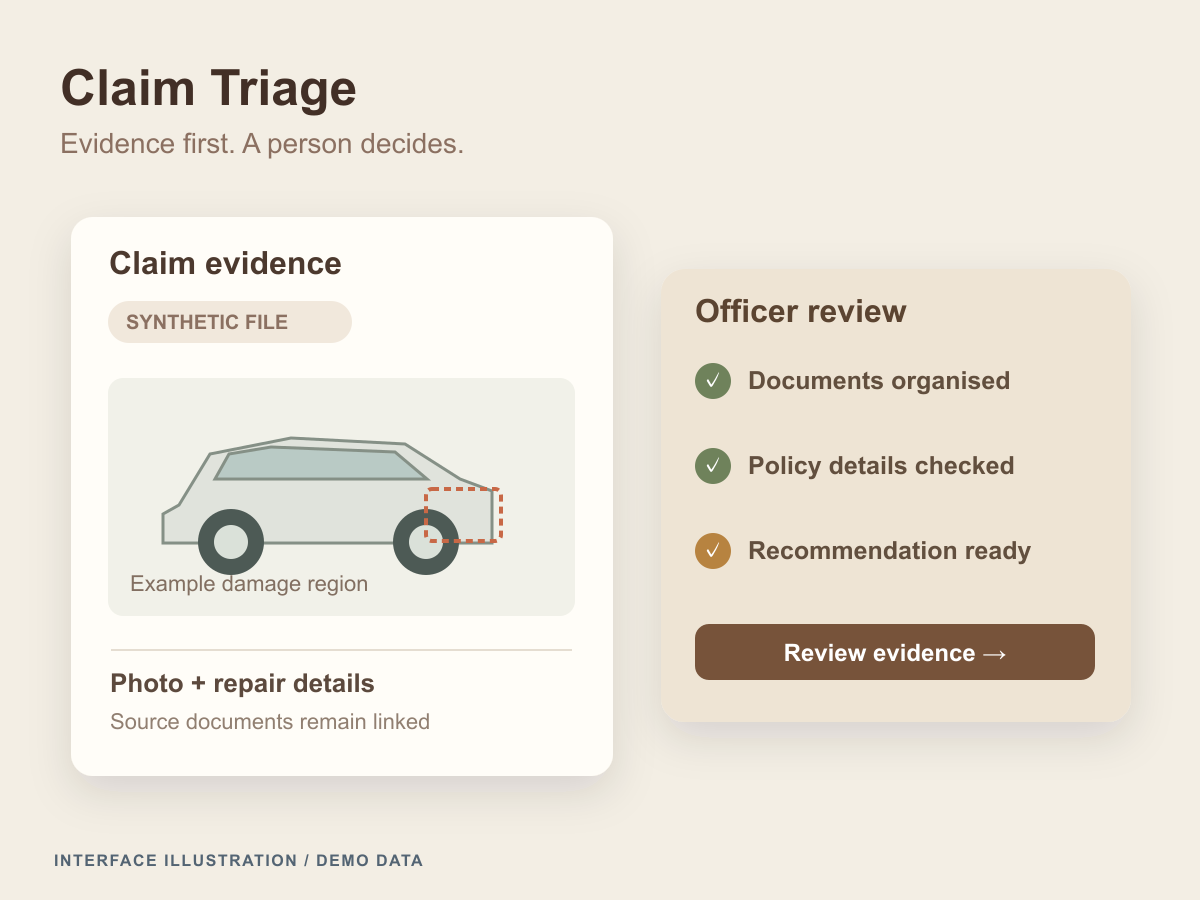
Claim Triage
An insurance review workspace linking claim documents, policy and repair checks, and traceable recommendations for a human officer.
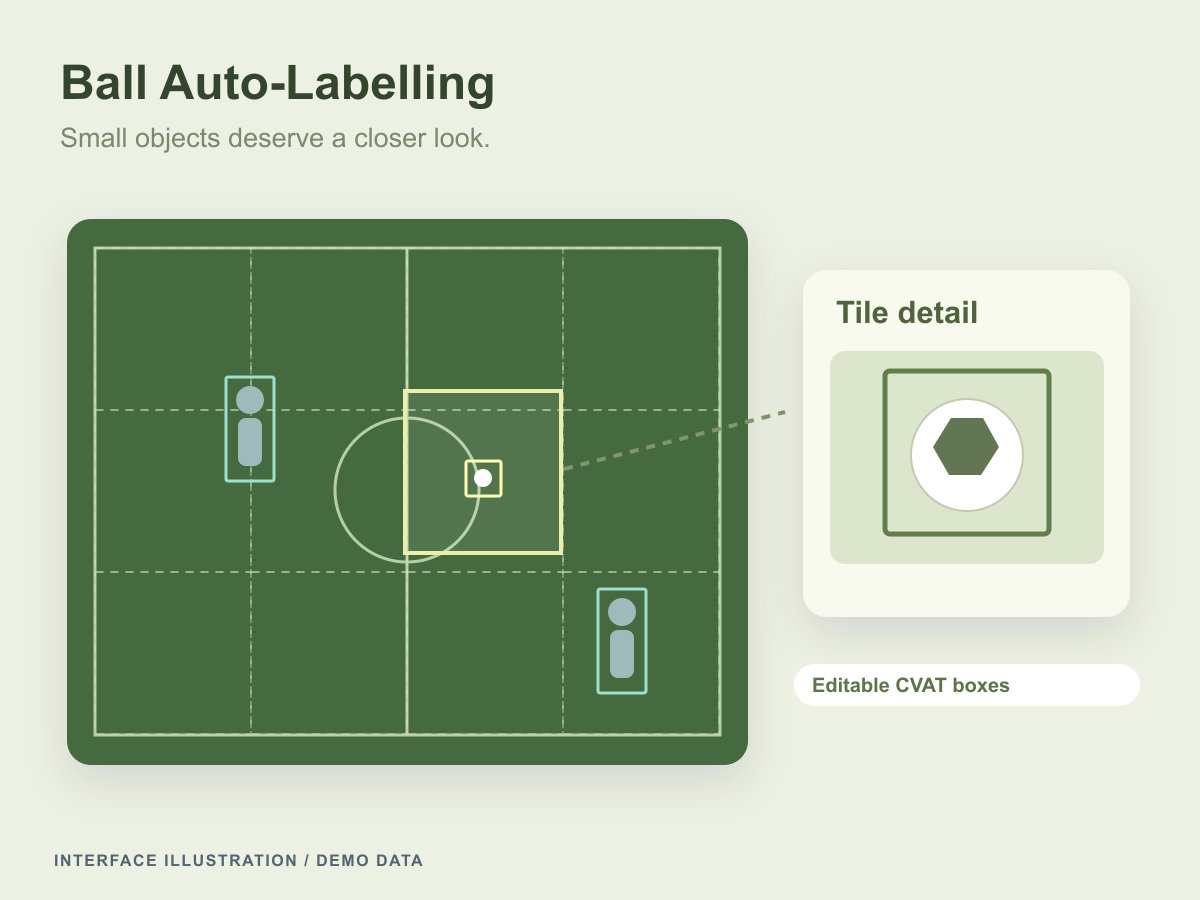
CVAT Ball Auto-Labelling
A custom CVAT adapter combining full-frame and tiled inference for small footballs, producing editable ball and person annotations.
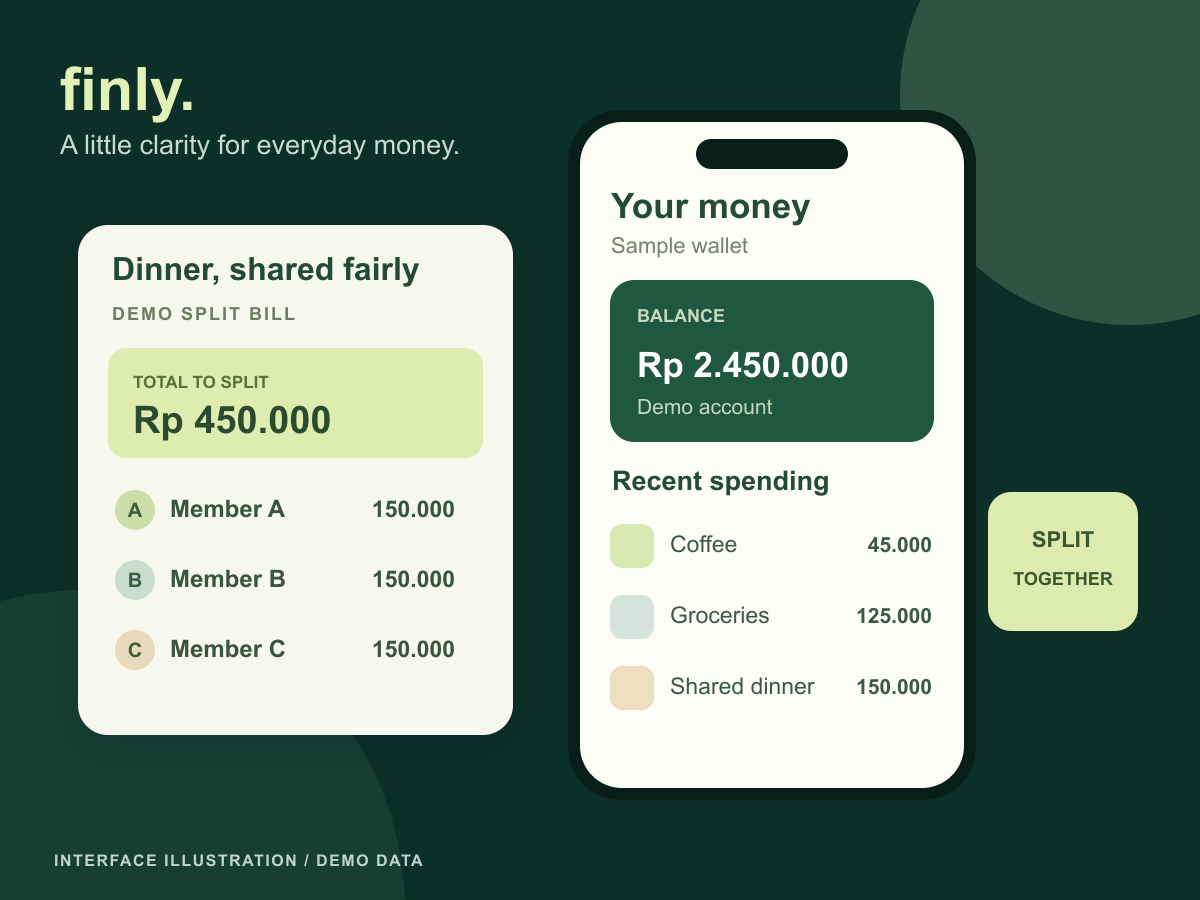
Finly
A personal-finance MVP connecting receipt review, shared bills, realtime item claims, and traceable settlement on a balanced ledger.
A few useful answers
Before we begin.
Every project is different. These answers can help you prepare for the first conversation.
How do we know whether AI is right for our use case?
We look at the task, the available data, the consequences of mistakes, and the current cost of doing the work. A small pilot with agreed evaluation criteria helps determine whether AI offers a practical improvement.
Can an assistant answer from our own documents?
Yes. A retrieval-based approach can use approved source material to inform answers and provide references. We still test answer quality and define what the assistant should do when the source material is insufficient.
Will the AI always give the correct answer?
No. AI output can be incomplete or incorrect. We design evaluation, source grounding, validation, and human review around the risk of the task instead of treating generated output as automatically authoritative.
Can we control where our data goes?
We review data sensitivity, provider terms, deployment options, and access requirements during discovery. The architecture and provider choice are agreed around those requirements before connecting business data.
From our journal
A little context for your next decision.
AI Insurance Claims: Design a Reviewable Workflow
Plan AI-assisted insurance claims around document evidence, editable rules, review queues and human authority rather than automatic decisions.
Anomaly Detection: Catching Fraud and Errors with Machine Learning
How anomaly detection uses statistics and machine learning to flag fraud, billing errors and broken data, and how to turn its alerts into real decisions.
From Chatbot to AI Agent: Automating Multi-Step Business Tasks
How AI agent automation goes beyond a chatbot: which multi-step tasks to automate, how to connect tools safely, and the failure modes to design for.
AI and Digital Trends for Businesses in 2026
AI trends 2026 for Indonesian businesses: agents, AI search, WhatsApp automation, UU PDP and AI costs, plus a practical 90-day plan for the new year.
Voice AI for Call Centres: Plan Handoffs and Recovery
Plan voice AI around transcription uncertainty, identity checks, explicit handoffs and a clear recovery path when a call cannot be completed safely.
RAG Evaluation: Test the Questions Your Business Asks
Evaluate RAG using realistic business questions, source evidence, access boundaries and useful abstention rather than a few polished demonstrations.
Let’s connect the dots
Let's make your next step clear.
Tell us where AI solutions could help your business. We will start with your needs and work from there.